Soft washing uses low pressure and a chemical clean to safely lift mould and grime from painted or rendered surfaces. Pressure, or hard, washing uses higher water pressure alone, built for tougher surfaces like concrete and pavers. Using the wrong one on the wrong surface is how most DIY jobs go wrong. Here’s how to tell them apart.
Soft Wash vs Pressure Wash: The Quick Answer
“Soft wash” and “pressure wash” get used interchangeably by a lot of operators, but they’re genuinely different techniques built for different jobs.
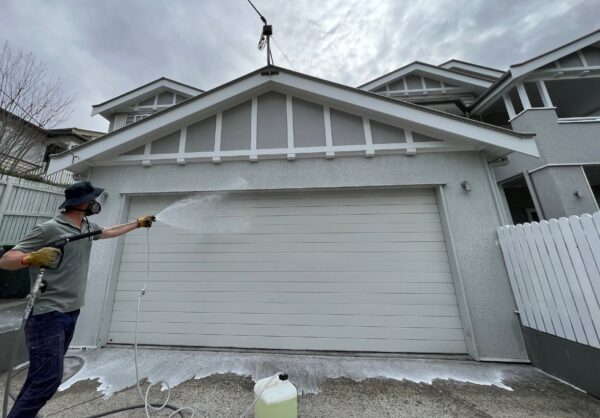
Soft washing uses low water pressure combined with a specially mixed cleaning solution. The chemical does the actual work of lifting mould, algae and grime, the water pressure is just there to apply and rinse it off. It’s the safer choice for delicate surfaces like paint, render and cladding.
Hard washing, sometimes just called pressure washing, relies on water pressure alone, generally without any chemical needed. It’s built for tougher, more resilient surfaces where high pressure won’t cause damage, think concrete, pavers and driveways.
What Is Soft Washing?
How it works: a low-pressure spray delivers a specially mixed cleaning solution across the surface. The solution breaks down mould, algae and general grime at the root, rather than just blasting it off the top layer. A gentle rinse afterwards clears everything away, without the force needed to strip paint or damage the surface underneath.
Best suited to house exteriors, painted weatherboard and render, cladding, and colorbond fencing. Anywhere the surface itself could be damaged by high pressure is a soft wash job.
What Is Hard (Pressure) Washing?
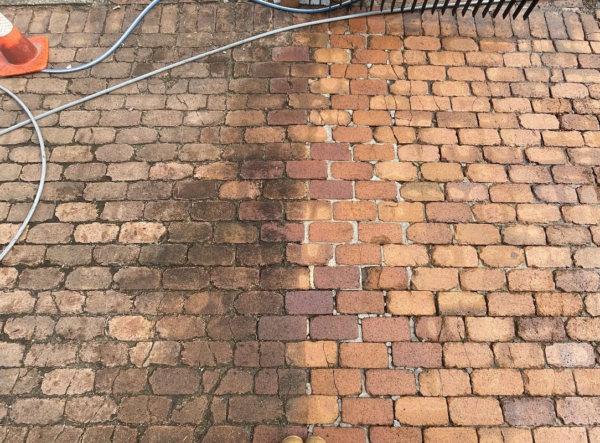
How it works: concentrated water pressure alone does the job, generally with no chemical solution needed. The higher pressure physically lifts embedded dirt, grime and staining from a hard, resilient surface.
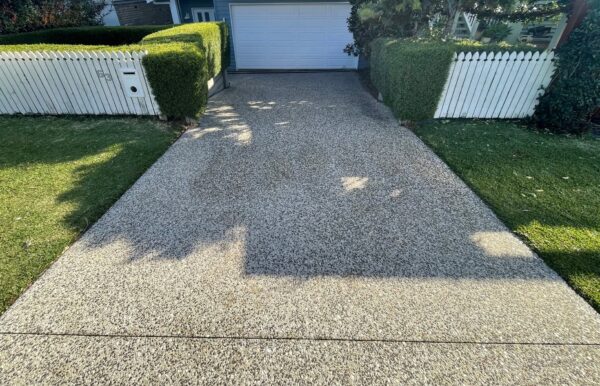
Best suited to driveways, paths, pavers and concrete. These surfaces can handle the pressure that would strip paint or damage render, which is exactly why hard washing is the right call here, and why soft washing usually isn’t strong enough to properly cut through ground-in grime.
Honest pricing, up-front, on-site and in writing.
No surprise add-ons once we’re on the job. Free quotes across East Brisbane.
Why the Wrong Choice Can Cause Damage
Using the wrong method on the wrong surface is where most damage happens, whether that’s a DIY attempt or an operator who doesn’t make the distinction in the first place.
High pressure on painted render, old mortar or ageing weatherboard can strip paint, blast out grout lines, or force water into places it was never meant to go. Meanwhile, soft washing alone won’t lift the ground-in grime and staining on a heavily soiled driveway, so you’re left paying for a job that hasn’t actually solved the problem.
Real Signs You’re Looking at the Wrong Method
- Streaky or patchy results after a DIY attempt, usually a sign the wrong pressure or technique was used for that surface
- Paint flaking or peeling soon after a wash, a clear sign the surface copped more pressure than it could handle
Which One Does Your Property Need?
Most East Brisbane homes actually need both, just applied to different parts of the property. Soft wash for the house exterior, cladding and fencing. Hard wash for the driveway, paths and any other concrete or paved areas.
Rather than guessing, or assuming one method covers the whole job, a proper quote assesses each surface on your property individually. That’s the difference between a job that gets it right the first time and one that either under-delivers or risks damage it didn’t need to risk.
We’re fully insured and use equipment calibrated to whichever surface we’re working on, so you’re not stuck making that call yourself.
Quick FAQ
Can I ask for hard washing on my house instead of soft washing? We’d always recommend soft washing for painted and rendered surfaces. Hard washing carries a real risk of stripping paint or damaging the surface, so we’ll advise against it even if that’s what’s requested, and explain why.
Is soft washing enough to remove mould completely? Yes. Because the chemical solution treats mould at the root rather than just blasting the surface, it lifts more effectively than pressure alone, and takes longer to creep back.
How do I know which method my driveway or fence needs? Generally, driveways and paved areas suit hard washing, while fencing (especially colorbond) usually suits a gentler soft wash approach. The safest way to know for sure is a proper quote that looks at your specific surfaces.
Ready for a Property That Always Looks Its Best?
Not sure which your place needs? Book a free, no-obligation quote and we’ll assess it properly, call 0417 945 162 or send a quick enquiry and we’ll tell you honestly what each surface needs.
Honest pricing, up-front, on-site and in writing.
No surprise add-ons once we’re on the job. Free quotes across East Brisbane.